When a website stops doing its job, a complete rebuild can look like the obvious answer. Yet a new design or platform will not automatically fix a weak offer, confusing structure, or missing landing pages. Some businesses genuinely need a new website. Others need to improve the one they already have.
The decision should not be based on age or technology trends. The useful question is where the real constraint sits and whether it can be removed without rebuilding the whole project.
Your options are broader than “fix it” or “replace it”
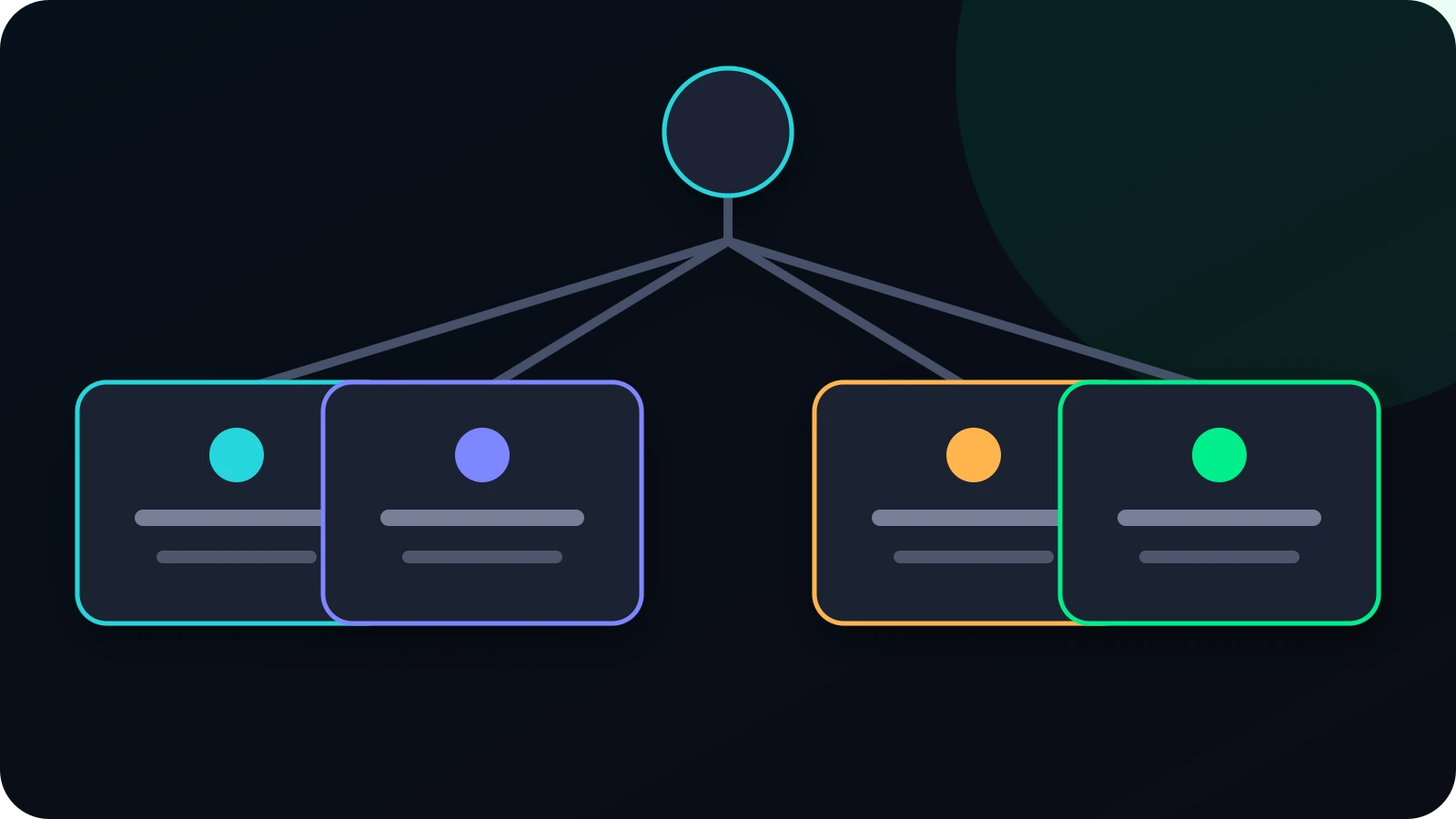
- Focused improvements address specific forms, pages, integrations, or interface problems.
- Structural redevelopment introduces a better information architecture, content, and page templates while retaining a viable technical foundation.
- Redesign updates the visual system and user journeys without necessarily changing platforms.
- Full rebuild replaces the architecture, code, and content-management setup.
- Replatforming moves the project to another technology while preserving the pages, data, and search value that still matter.
A website’s age does not decide the answer
An older website may still generate enquiries, rank well, and remain easy to manage. A new one may look current while failing to answer customers’ questions or support organic growth.
The better test is whether the existing foundation can support new pages, useful content, required features, and reliable measurement.
Start by finding the actual constraint
The website no longer represents the business
Services, markets, audiences, or the sales process may have changed. That is not a colour-and-buttons problem; the website may need a different structure and message.
Visitors cannot find the right information
Services may be bundled together, pages may answer several unrelated needs, and the next step may be unclear. A better structure and stronger templates can often solve this without a platform change.
Content is difficult to manage
If every publication requires a developer, growth becomes slow and expensive. A better CMS setup may be enough, although some projects have deeper architectural limits.
The technical foundation resists change
New work conflicts with old features, pages are unstable, and small requests take disproportionate effort. At that point, continued patching can cost more than a cleaner implementation.
There is not enough evidence yet
Without dependable analytics, a rebuild decision is easily driven by impressions. First understand how people arrive, which pages they use, and where enquiries are lost.
When improving the existing website is the better choice
Incremental work usually makes sense when the platform still supports the business, valuable pages already receive traffic, and the problems can be isolated. You might restructure a catalogue, rebuild service pages, add focused landing pages, improve content management, or correct technical issues.
This preserves useful parts of the project and directs the budget toward changes with a practical effect.
When the structure and pages need deeper redevelopment
The code and CMS may still be suitable while the website’s logic no longer matches demand. Important services might lack dedicated pages, and navigation may mirror the company’s internal structure rather than the customer’s task.
In this situation, start with search demand, audiences, and the actual offer. Build the new architecture around them, then prepare page templates and content. A platform migration is optional.
When a full rebuild becomes more sensible
A rebuild is justified when several constraints overlap:
- the architecture cannot support the required structure;
- changes repeatedly break adjacent features;
- the visual system cannot be updated consistently;
- content management does not fit the team’s workflow;
- the project is expensive to maintain and extend;
- a series of compromises approaches the cost of a clean implementation.
The new version should solve named limitations. Without that clarity, a business may simply receive the same website in different packaging.
Changing platforms does not always mean changing everything
WordPress, Next.js, and other platforms suit different workflows. The right choice depends on functionality, publishing frequency, integrations, management needs, and the team that will maintain the project.
Sometimes a better theme or a set of new components is enough. In other cases, retaining the content while replacing the implementation is cleaner. See our practical comparison of WordPress and Next.js.
What a careful rebuild should preserve
A rebuild should not erase everything the existing website has accumulated. Before launch, document what needs to move and how it will be checked.
- Pages and URLs: retain valuable addresses or map them to appropriate redirects.
- Content: preserve useful copy, images, documents, and metadata.
- Search signals: check indexing, internal links, canonicals, sitemaps, and crawler rules.
- Analytics and enquiries: keep tracking, goals, forms, and attribution working.
- Operational data: plan the migration of products, users, integrations, and other business data.
What affects cost and timescale
The biggest factor is not the number of screens in a design file but the amount of uncertainty. The condition of the existing project, unique templates, content and data volume, integrations, languages, migration requirements, and client-side involvement all affect the estimate.
Two websites of similar size can require very different amounts of work. One can be improved in stages; another must be documented and untangled before a safe migration is possible.
Two projects, two different decisions
Developing an existing automotive-security website
The WordPress project had an imperfect but workable foundation. Instead of rebuilding immediately, we developed its catalogue, service pages, articles, and pages for specific vehicles. This allowed useful content and organic visibility to accumulate without taking the active website offline.
There is no reason to replace WordPress merely for a more fashionable technology: it remains appropriate for this client’s operating needs. Read the automotive-security SEO case study.
Restructuring a problematic cosmetology website
In the second project, the original structure, pages, and implementation prevented systematic work. We researched demand, revised the architecture, and prepared reusable blocks for different page types. Local fixes would not have produced a coherent foundation, so the project needed a deeper redevelopment. Read the cosmetology website case study.
A practical way to make the decision
- Write down the business tasks the current website fails to support.
- Separate structural, content, design, and technical problems.
- Identify the pages, data, and functions that already create value.
- Estimate whether the constraints can be removed in stages.
- Compare the cost of improvements with a new implementation and its ongoing support.
- Choose the smallest scope that creates a sound foundation for the next stage.
If the website attracts visitors but few enquiries, first locate the broken part of the journey. Our guide to why websites fail to convert provides a useful starting point.
Do you have to change platforms during a redesign?
No. If the CMS and architecture support the required pages and features, the visual system can be redesigned without a migration.
Can a website be rebuilt in stages?
Yes. With a viable foundation, the most important pages and components can be replaced first, followed by the remaining sections.
Will a full rebuild affect rankings?
There is a risk if URLs, content, internal connections, or technical settings are lost. A planned migration reduces that risk, but nobody can honestly promise zero fluctuation.
Is improving an old website always cheaper?
No. When every change requires a workaround and creates new conflicts, incremental work can exceed the cost of a clean rebuild.
Where should the assessment begin?
Start with business objectives and the current state of the website. This reveals what can be retained, what should change, and which limitations genuinely come from the platform.
Can content and data be retained when changing platforms?
Usually, yes. The method depends on the database, content formats, and integrations, so the migration scope should be assessed before development begins.
Do you need a redesign if the problem is SEO?
Not always. Structure, content, technical health, and the ability to create useful pages often matter more. Redesign becomes relevant when the visual system or user journey is itself an obstacle.
Show us your website and we’ll define a sensible scope
We will review the current foundation, business needs, and project constraints, then explain what to retain, what to improve, and where a full rebuild is genuinely justified.