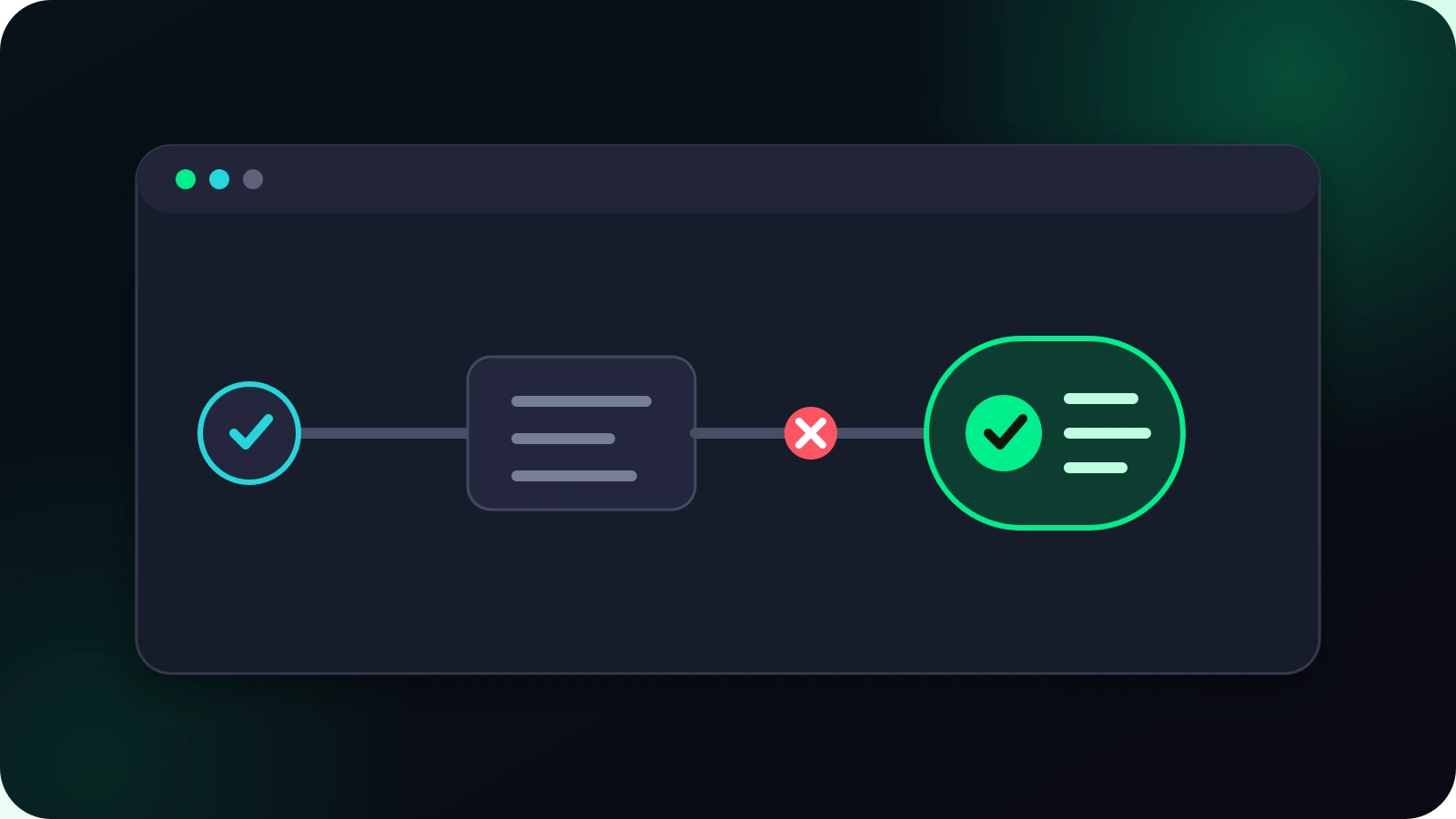
A website can look polished, attract visitors, and still produce very few enquiries. That does not automatically mean it needs a redesign. It may have a traffic problem, a messaging problem, a broken enquiry path, or several smaller issues working together.
Changing the layout without knowing the cause is guesswork. So is buying more traffic before checking whether the current visitors are relevant.
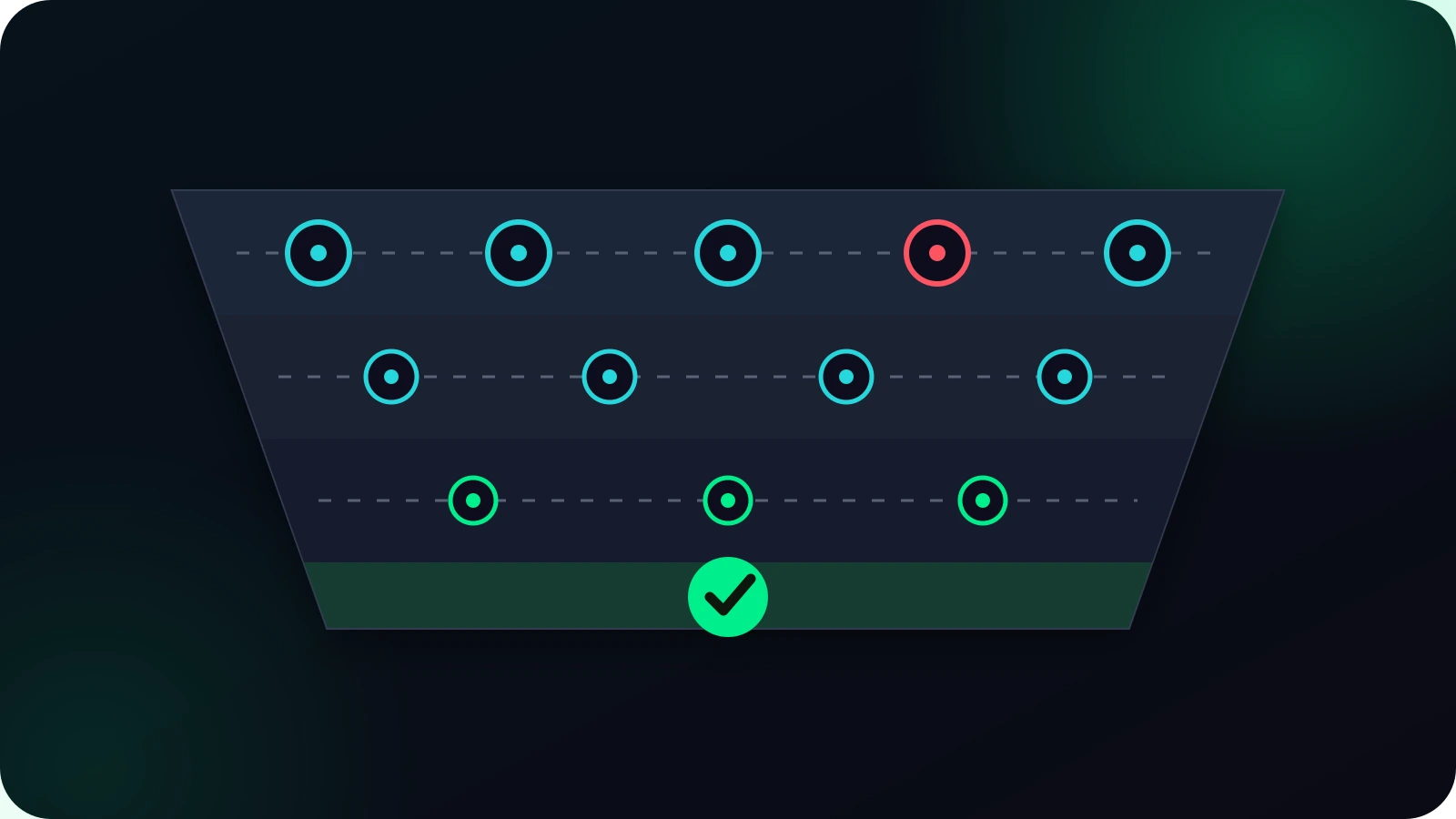
The useful question is not simply, “Why am I getting no leads?” It is, “At which stage do potential customers disappear?”
Define the conversion before measuring it
A conversion is the action your website is expected to produce. It might be a submitted form, a call, a booking, a quote request, an order, or a message.
Choose one primary action for each important page. You can track secondary actions too, but they should not compete with the main purpose of the page.
Make sure those actions are recorded somewhere reliable. If phone calls, chat messages, and forms are handled by separate systems, your website analytics may show only part of the picture.
A form submission is not always a useful lead either. A page can increase the number of enquiries while attracting people who cannot use or afford the service. Measure both volume and relevance.
Map the journey from visibility to a qualified lead
Before someone becomes a lead, several things have to happen:
- The person encounters your page through search, a recommendation, an advertisement, or another source.
- They decide to visit.
- They understand where they have landed.
- The page answers the reason for their visit.
- They find enough evidence to trust the business.
- They recognise the next step.
- The contact method works.
- The enquiry is relevant to the service.
A weak result at any point can look like the same problem from the outside: fewer leads.
A page with no visibility needs a different fix from a page receiving irrelevant traffic. A page people read but never act on needs a different fix again.
The wrong people are reaching the page
Traffic is useful only when it has a realistic connection to the offer.
A high-traffic informational article may produce fewer enquiries than a small service page visited by people with a specific commercial need. This is why total sessions alone tell you very little about lead generation.
Review where visitors come from and what brought them there. Google Search Console can show the queries and pages involved in organic search. Web analytics can separate other channels and landing pages.
Then compare the visitor’s expectation with the page itself.
Someone searching for the price of a specific service should not have to explore a general homepage to find out whether that service is available. Someone looking for a guide may not be ready for a sales conversation. Both visits count as traffic, but they represent different intentions.
The same mismatch can happen with paid campaigns, referrals, directories, social networks, and AI-generated recommendations. The source changes; the principle does not. The landing page should continue the conversation that caused the click.
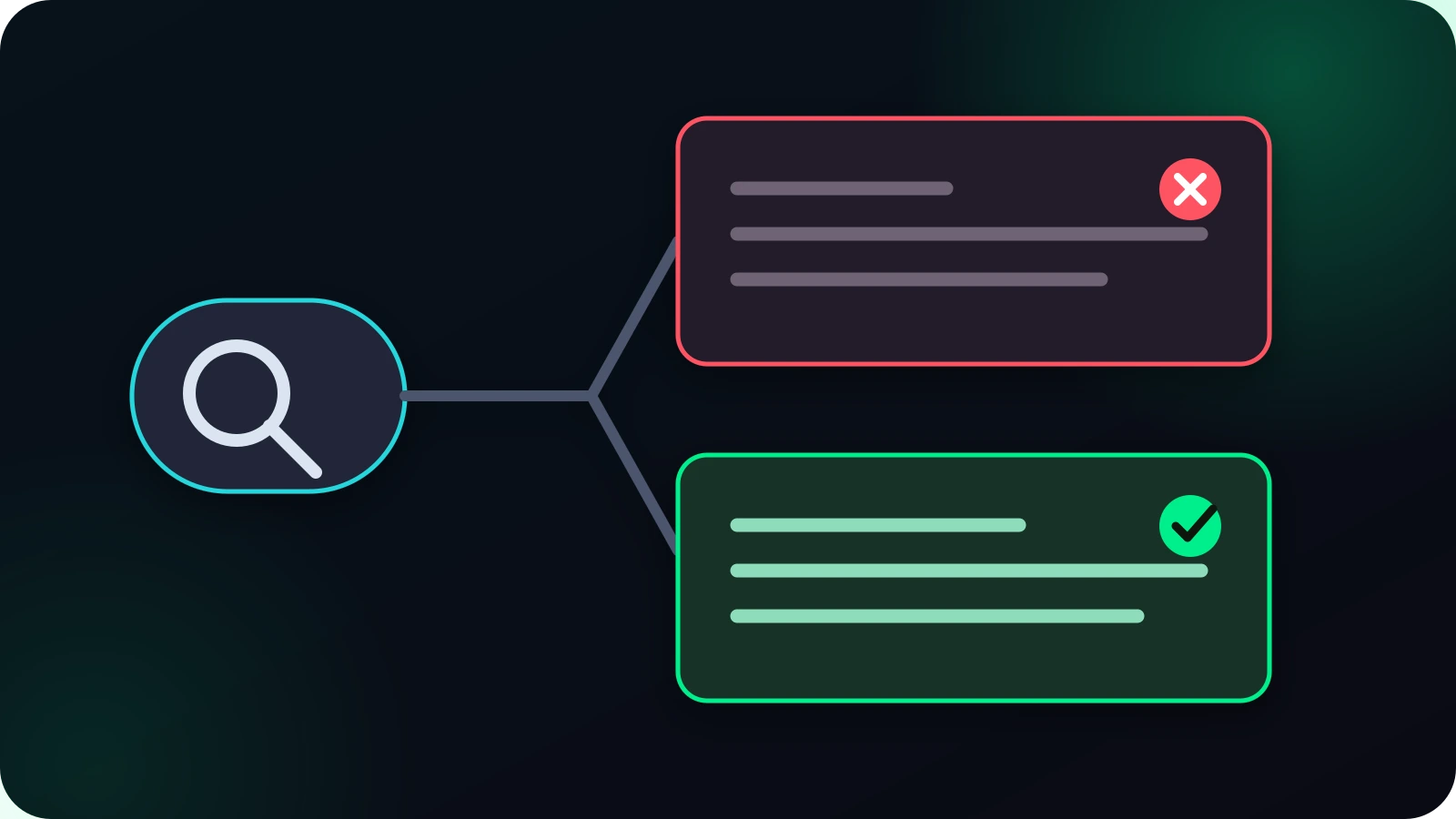
Visitors cannot tell what you offer
A potential customer should be able to answer four questions without decoding your internal terminology:
- What does this company do?
- Is the service relevant to my situation?
- What outcome can I expect?
- What should I do next?
Show the first screen to someone unfamiliar with the business. Give them a few seconds, then ask what the company offers. A vague answer points to a positioning or messaging problem.
Phrases such as “innovative solutions” or “unlock your potential” do not clarify an offer. They may sound positive, but they force the visitor to keep searching for basic information.
The main heading should name the service or problem. The supporting copy should explain who it is for and what changes after the work is complete.
The rest of the page needs a usable order: scope, process, relevant limitations, pricing or estimation principles, proof, and a clear next step.
Separate landing pages are usually more effective when a company has distinct services. A person looking for a technical audit should not need to extract that service from a generic page covering everything the company does.
The page describes the company instead of helping the customer
Experience, technology, and process can support a buying decision. They should not replace the customer’s problem.
A list of tools means little without an explanation of why they matter. “Individual approach” is not useful unless the page shows how the scope is assessed. “High quality” is too broad unless the visitor can see what will be checked and delivered.
Write around the questions a customer needs answered. Use technical detail where it proves competence or helps compare options. Leave implementation trivia for documentation and project discussions.
This does not mean simplifying every subject. It means spending detail where it helps someone make a decision.
The visitor does not have enough reason to trust you
Understanding the offer is only one part of the decision. The visitor is also assessing risk.
Useful trust signals may include:
- case studies with a clear project context;
- examples of completed work;
- a transparent description of the process;
- attributed client feedback;
- relevant company or specialist information;
- clear commercial terms;
- working contact details;
- answers to common objections.
Specific evidence is stronger than decoration. A client logo does not explain what you did. A large number without context creates doubt. An anonymous one-line testimonial is weaker than a comment connected to a real project.
Place proof near the claim it supports. If the page discusses multilingual websites, link to a relevant example. If it claims experience with complex catalogues, show the case that demonstrates it.
Clear boundaries also build trust. A company that explains what requires separate assessment often sounds more credible than one promising to handle anything.
The next step is unclear or broken
A visitor may understand and trust the offer but still have no obvious route forward.
The primary call to action should describe the actual next step. “Submit” explains the mechanics of a button. “Request a project estimate” explains what happens after the click.
Long pages can repeat the same primary action at natural decision points. They do not need a new CTA after every paragraph. Several competing actions can make the decision harder.
Test the entire contact path:
- Does the form open?
- Can it be completed on a phone?
- Are required fields clear?
- Does the visitor receive confirmation?
- Does the enquiry reach the correct person?
- Is the original source preserved?
- Do phone, email, and messenger links work?
Forms sometimes appear successful while messages disappear because of an integration error, a mail filter, or an outdated destination address. Submit test enquiries and confirm them at both ends.
The website creates unnecessary friction
Not every usability problem looks broken. Some simply make the visitor work too hard.
On desktop, check navigation, reading order, text contrast, and access to important actions. On mobile, use the site with your fingers on a real device. A narrow browser window is not always an adequate substitute.
Look for:
- overlays that cover the page;
- small tap targets;
- horizontal scrolling;
- awkward form inputs;
- menus that are difficult to close;
- heavy media that delays useful content;
- interactions that depend on mouse hover;
- links and buttons that are visually indistinguishable.
Page speed belongs in this review, but a single synthetic score should not decide whether the whole website needs rebuilding. Test how the actual page loads, when its main content appears, and when the user can interact with it.
Some speed problems come from a few images or scripts. Others are repeated throughout the architecture. The required response depends on where the limitation sits.
Use evidence instead of changing things at random
Each stage of the journey has a different source of evidence.
Is the website visible in search?
Google Search Console shows impressions, clicks, search queries, and landing pages.
Very few impressions suggest a visibility or demand problem. Impressions without clicks point toward intent, targeting, titles, descriptions, or weak relevance in the search result.
What happens after the visit?
Web analytics can separate landing pages, channels, devices, and tracked actions.
Review specific page-and-source combinations rather than relying on one average for the entire website. A strong blog section can hide weak service pages, while one successful campaign can distort the overall conversion rate.
Track actions that matter to the business. A form submission, booking, call, or contact click may be useful. Routine scrolling should not be presented as a sales conversion.
Do enquiries reach the business?
Compare website events with email, CRM records, messenger conversations, and call logs.
If the analytics platform records submissions but nobody receives them, inspect delivery and integrations. If enquiries arrive but are consistently irrelevant, return to traffic sources, query targeting, and landing-page messaging.
Can you reproduce the journey?
Complete the main tasks yourself on desktop and mobile. Try another browser if customers report an intermittent problem.
Manual testing will not replace analytics, but it can expose failures that dashboards do not explain.
What should you fix first?
Follow the stage where the loss occurs.
- The page receives almost no visibility. Review indexing, search demand, site structure, and whether the required landing pages exist.
- The page appears but receives few clicks. Check the query, search snippet, offer, and intent match.
- Visitors arrive and leave quickly. Compare the reason for their visit with the first screen and page content.
- People read but do not approach the CTA. Review the offer, proof, commercial information, and next step.
- People start but do not complete the contact process. Remove unnecessary fields and test for usability or technical failures.
- Forms are submitted but leads disappear. Inspect delivery, integrations, and internal handling.
- Leads arrive but are not suitable. Revisit acquisition channels, targeting, and the promise made on the page.
This order prevents a business from commissioning a full redesign when the actual loss happens in one isolated step.
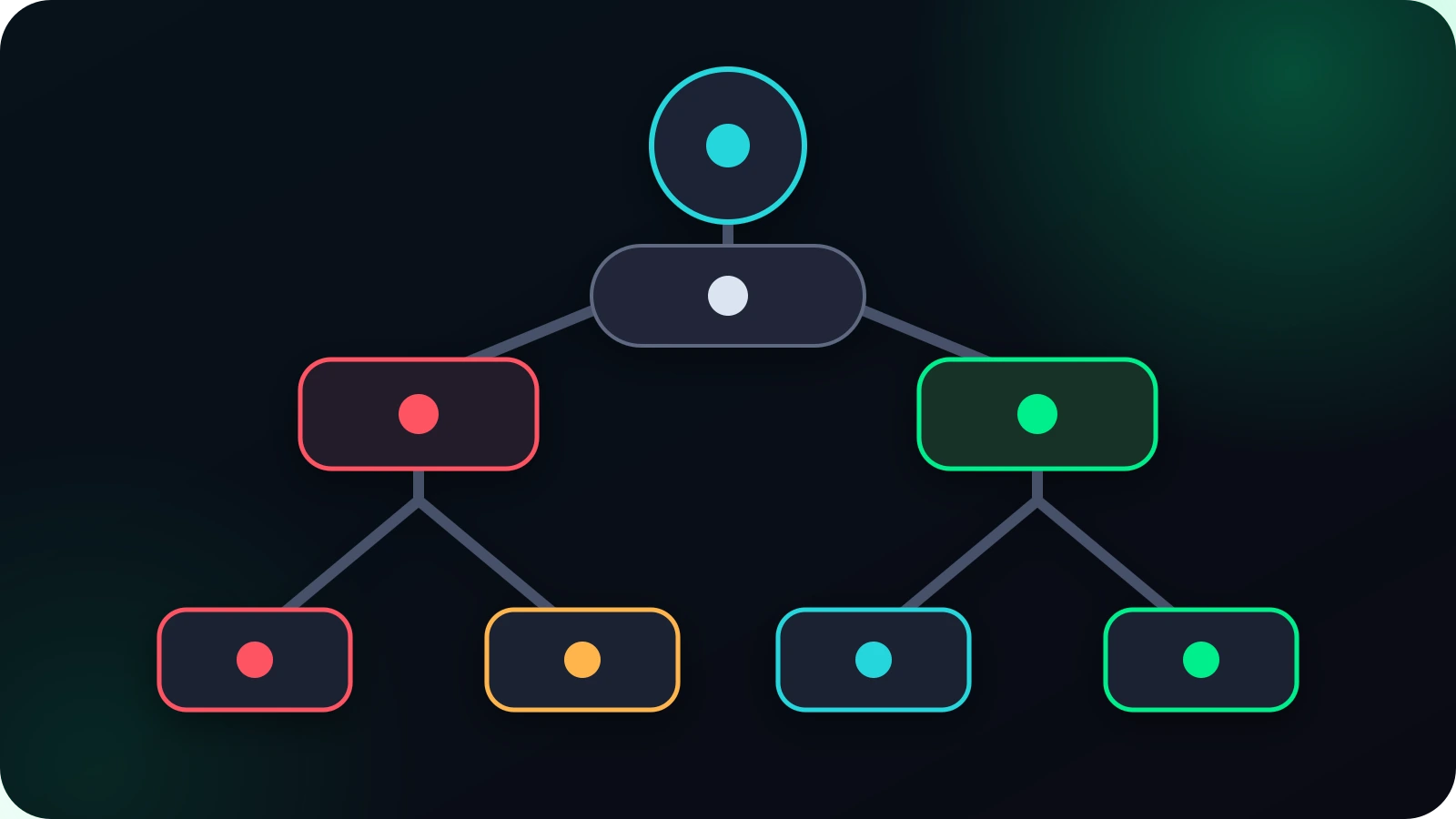
Do you need a full website redesign?
Sometimes the right fix is limited to a few pages, a clearer offer, stronger proof, or a repaired form. Keeping the existing website is reasonable if it supports new content and structural changes without constant workarounds.
A rebuild becomes easier to justify when the same constraints appear throughout the project:
- new landing pages cannot be added properly;
- the structure no longer reflects services or search demand;
- duplicated content repeatedly falls out of sync;
- mobile fixes require separate patches;
- changing one component breaks unrelated pages;
- editors cannot manage content without a developer;
- technical limitations block already identified improvements.
The decision should not depend only on the age or appearance of the website. Compare the cost of continued patches with the cost of creating a foundation that can support the next stage of development.
An older website may still be worth improving. A newer one may already be too restrictive.
When an outside review makes sense
A business owner can test forms, review basic reports, and check whether the offer is understandable. More detailed analysis helps when several systems disagree or several stages appear weak.
A website may receive search impressions and visits while tracking only part of the enquiry path. Its forms may pass incomplete data, and its service pages may attract broad informational traffic. Fixing one item will not explain the result until the whole chain is mapped.
An outside review should not begin with a predetermined redesign. It should identify the point of loss, confirm it with available evidence, and prioritise the work.
The result may be a technical audit, SEO and landing-page work, a corrected form, better analytics, or a broader rebuild. The scope becomes clear after inspection.
Frequently asked questions
Why does my website get traffic but no leads?
Possible causes include irrelevant visitors, poor intent matching, unclear messaging, insufficient proof, a weak next step, or a technical failure. Segment traffic by source and landing page, then inspect the journey to the enquiry.
What is a good website conversion rate?
There is no universal rate. Results vary by market, offer, traffic source, action, and lead quality. Compare similar pages and channels over comparable periods, then measure how many enquiries become suitable opportunities.
Can SEO solve a lead-generation problem?
SEO helps when the website lacks relevant search traffic or does not have pages for important demand. It cannot repair a broken form or clarify an offer by itself. The correct response depends on where the customer journey fails.
Should I redesign my website immediately?
No. Diagnose the loss first. Isolated issues can often be corrected within the existing system. A rebuild is more sensible when structural and technical limitations affect the whole site.
Which tools should I use?
A useful starting set includes Google Search Console, web analytics, form or CRM records, and manual testing. Add more specialised tools only when the problem requires them.
Can bounce rate explain why the site does not convert?
Not by itself. A visitor may leave after finding an answer, encountering an error, or landing on irrelevant content. Behaviour metrics need context from the traffic source, page purpose, and actual enquiries.
Find where your website is losing enquiries
If your website receives visitors but does not produce the expected enquiries, send us the URL and a short description of what you are seeing.
We can review the path from search demand and landing-page structure to forms, analytics, and technical implementation. The evidence will show whether the next step is SEO, focused page improvements, technical fixes, or a broader rebuild.