CASE STUDY · MULTI-PAGE DEVELOPMENT

How we built and populated a large website in about two weeks

The client needed more than a small brochure website. The scope covered dozens of pages, search planning, site structure, reusable blocks, content, development, and population. Design, writing, and development ran in parallel to meet the launch date.

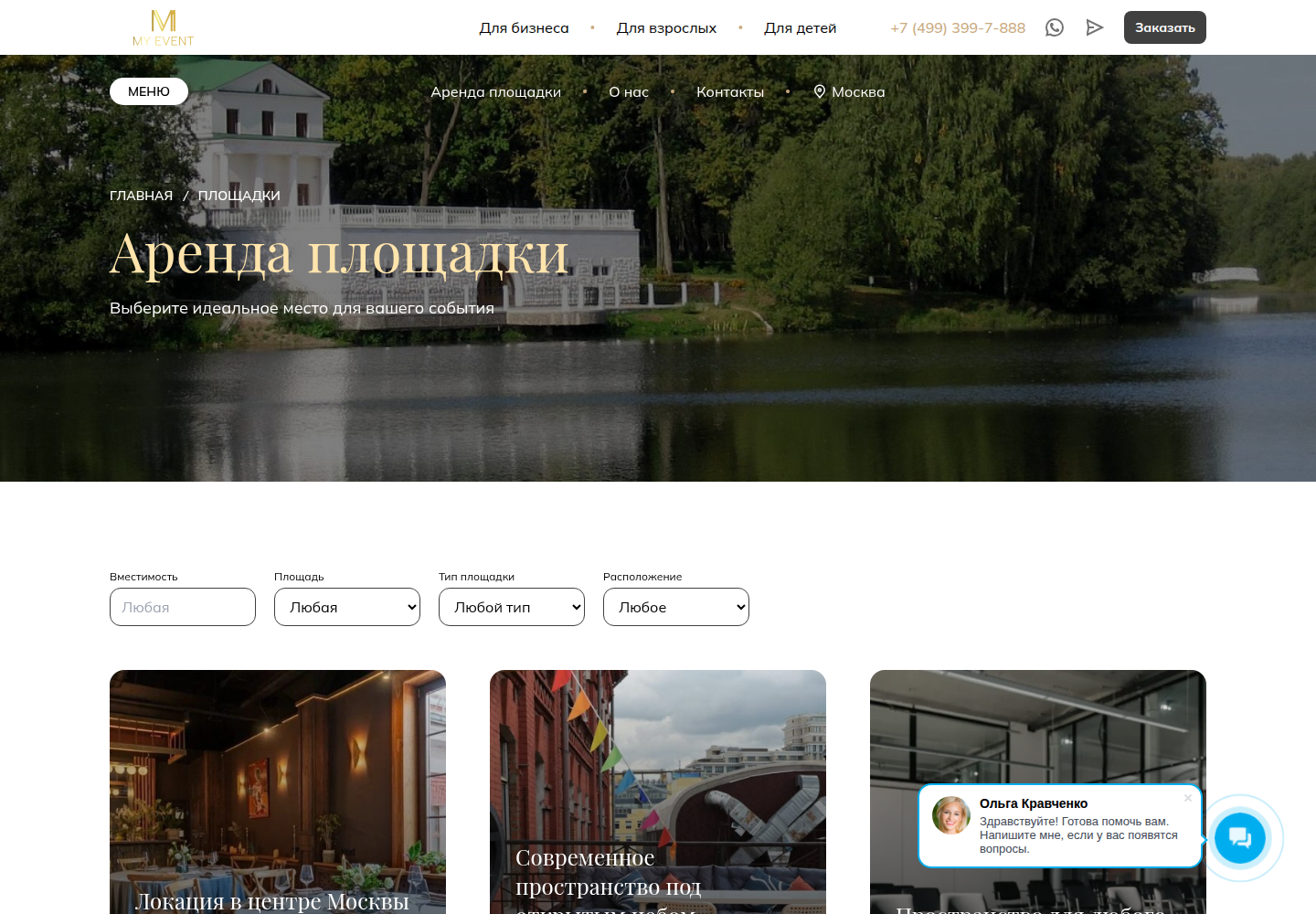
Homepage of an events services website
Market
Moscow
Platform
WordPress
Scale
Around 80 pages
Timeline
About two weeks
Project
Multi-page services website
Our role
Search planning, structure, content, and development
SCALE

The deadline covered the full website production cycle

The work included search architecture, page planning, content, development, population, and launch rather than a single isolated build stage.

≈80pages written and populated
≈2 weeksfrom project start to handover
1 systemof reusable blocks across the website
Full cyclefrom search planning to launch

The figure is rounded from the original project scope. The website later moved to another domain and continued to evolve.

THE BRIEF

A large website could not be treated as a collection of unrelated landing pages

The client needed to launch a substantial services website with several distinct directions. Designing every page independently would have produced dozens of disconnected layouts and documents.

We first defined the sections, their relationships, and the elements they could share. That structure made it possible to distribute work across content, design, and development.
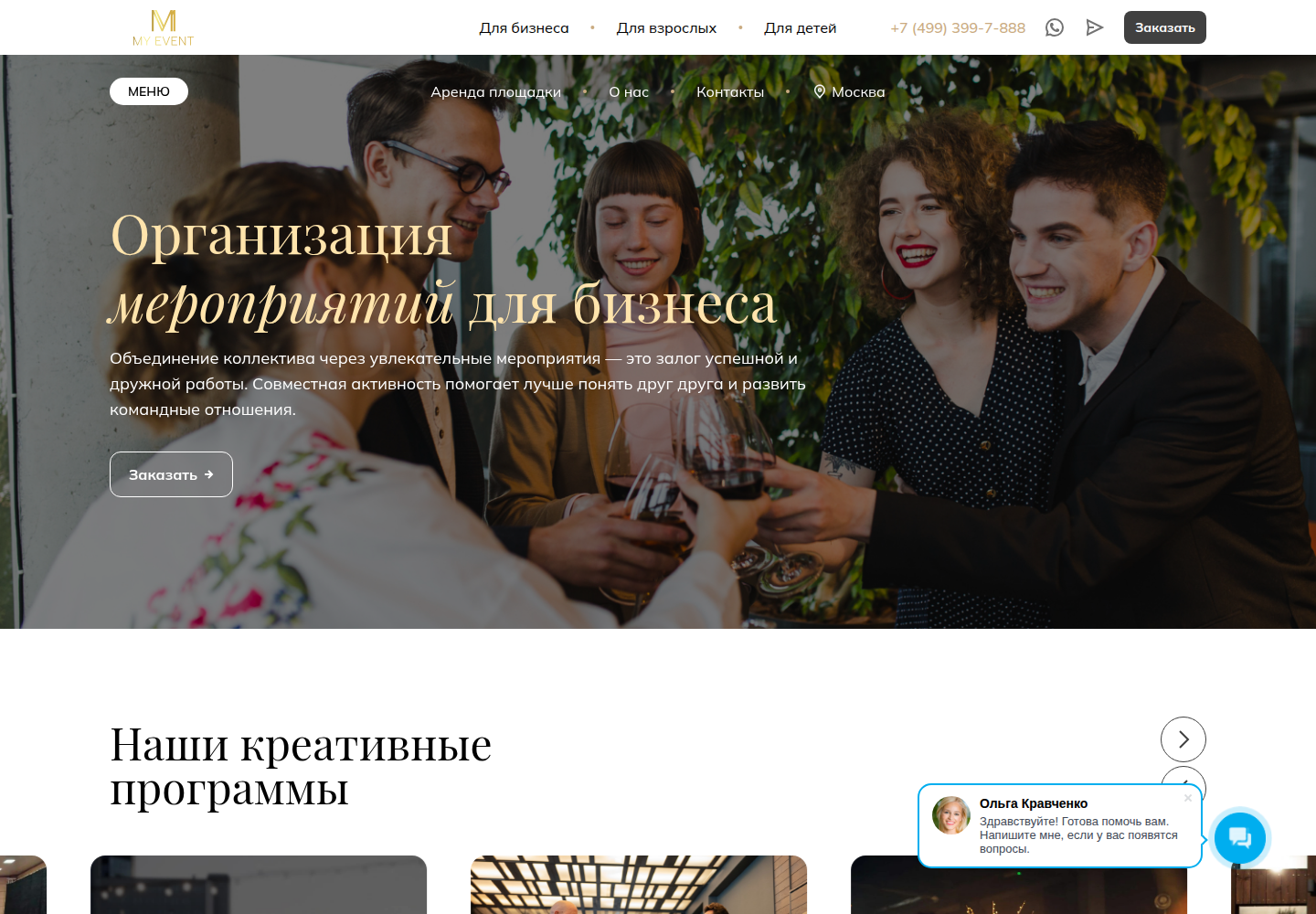
Business events service page
Each direction has its own page within one consistent structure.
SEARCH ARCHITECTURE

We mapped demand to pages before production began

Every page had a defined purpose, a place in the hierarchy, and a clear set of topics before writing and design started.

  1. 1
    Collected queries

    Identified demand areas and the language people used.

  2. 2
    Grouped the demand

    Combined queries that shared the same intent.

  3. 3
    Planned the sections

    Defined main directions and nested services.

  4. 4
    Assigned pages

    Gave each page a distinct purpose.

  5. 5
    Defined reusable blocks

    Separated common elements from page-specific content.

  6. 6
    Prepared production

    Passed one structure into content, design, and development.

PROTOTYPING

Repeated content patterns became a reusable block system

Once the structure was clear, we identified recurring elements such as hero sections, service descriptions, benefits, processes, options, FAQs, and enquiry forms.

We prototyped those elements and passed them to the designer. Instead of designing dozens of full pages, the project gained one visual system that could support many different page compositions.

Block order and content still changed by service, so the result did not feel like one page copied repeatedly.

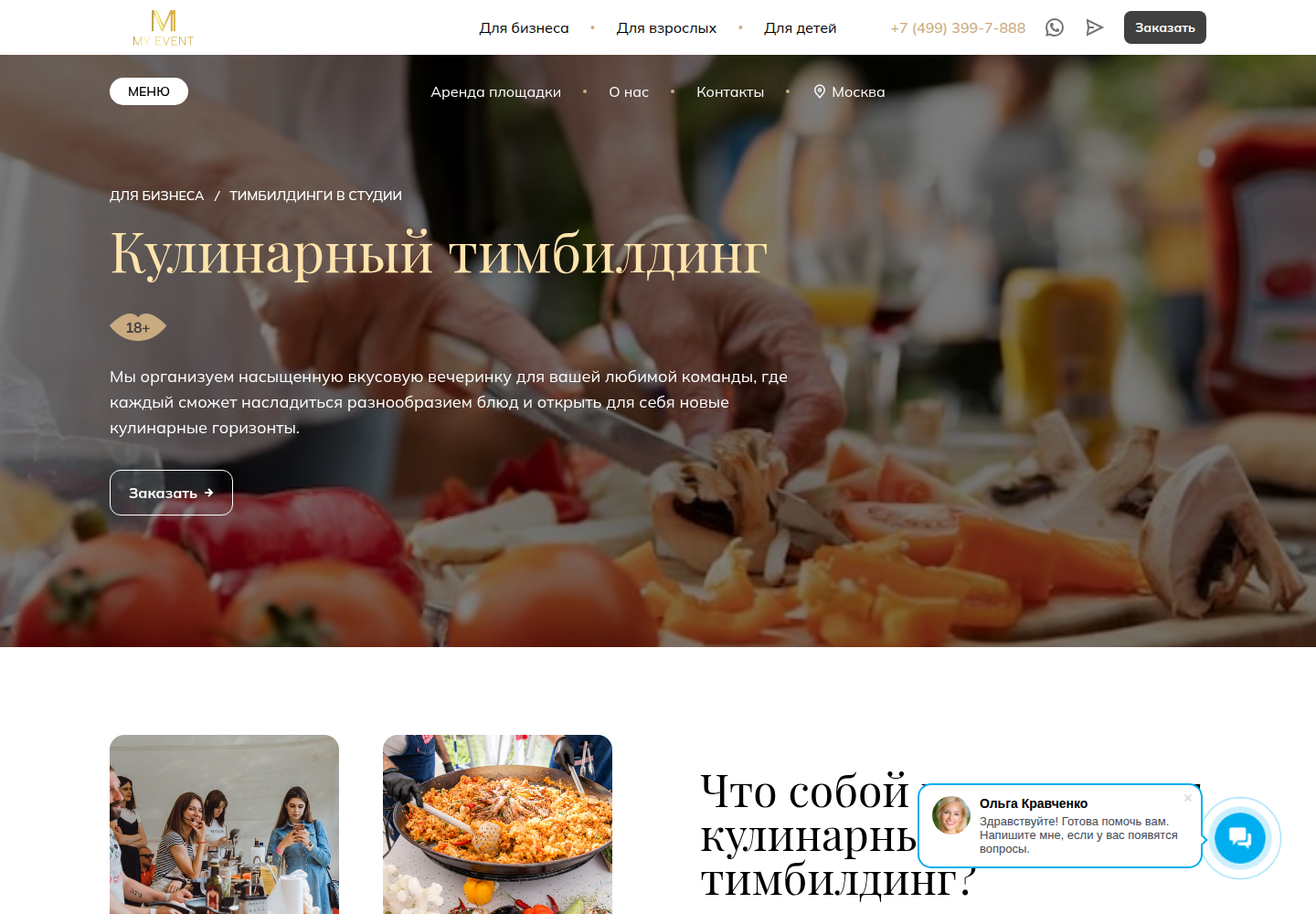
Individual service page
Reusable blocks keep the system consistent while adapting to each service.
PROCESS

Design, content, and development moved forward in parallel

A strictly sequential workflow would not meet the deadline, so several workstreams started once the shared structure was approved.

Stage 01

Collected the search demand

Defined the demand areas and future pages.

Stage 02

Planned the architecture

Connected the sections and assigned query groups.

Stage 03

Prepared prototypes

Specified reusable blocks and passed them to the designer.

Stage 04

Wrote content during design

Page copy was prepared in documents against the approved structure.

Stage 05

Built the page system

Reusable components and templates were developed as designs arrived.

Stage 06 · now

Populated and launched

Completed content moved into the website as each page became ready.

CONTENT

Around 80 pages received their own content

The copy was written around topics assigned during planning. The shared structure kept the level of detail consistent, while each page still addressed its own service and demand.

Content production ran alongside development. As soon as the templates were ready, completed material moved into the website, so launch delivered a populated site rather than an empty shell.

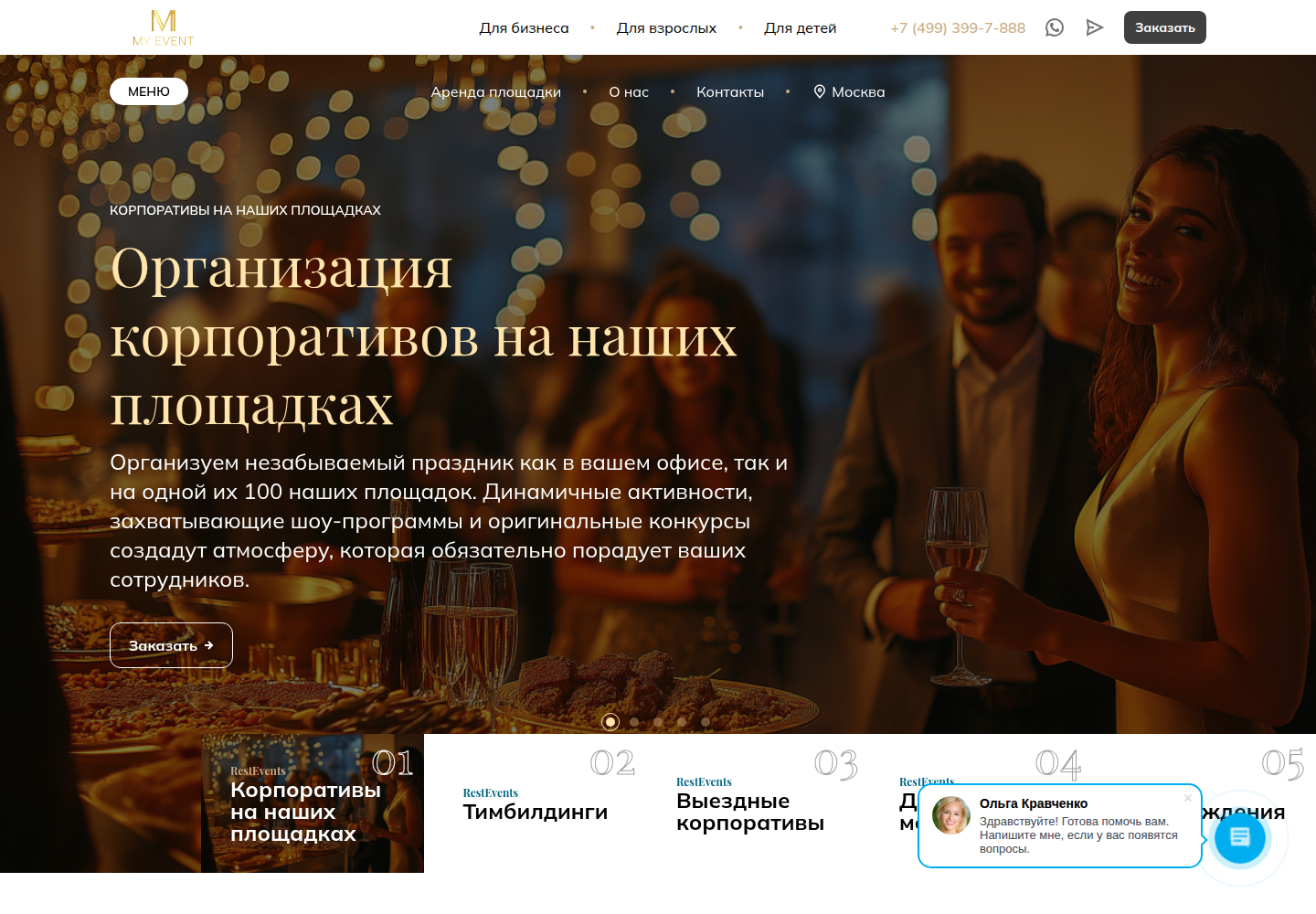
Events venue directory
The system supports both commercial pages and substantial thematic sections.
THE DEADLINE

Two weeks was a project constraint, not a standard promise

This scope required complete focus from the team and a very dense schedule. The result depended on clear structure, overlapping workstreams, and quick handoffs between stages.

Urgent projects still need to be assessed against scope, team capacity, and approval speed. This case shows that a large production cycle can be coordinated without skipping its main stages, but it does not turn two weeks into a universal delivery promise.

THE WEBSITE

One system still allowed each direction to feel distinct

Website homepage
HomepageMain directions and direct routes into the service catalogue.
Business events page
Service directionA structure tailored to one audience and type of event.
Individual service page
Service pageContent written for a specific event scenario.
Venue directory
Thematic sectionA substantial standalone section within the shared system.

The client received a complete and populated multi-page website

Search planning, structure, prototypes, content, development, and population were completed within the agreed timeline. The separate workstreams met in one functioning website.

The value of the project is not only its page count. Several dependent production processes were coordinated into one finished result.

The website later moved to another domain and continued to evolve. Public screenshots show its current version.

OUTCOME
≈80pages written and populated
Timeline
about two weeks
Platform
WordPress
Status
completed
DISCUSS A PROJECT

Need a large website without chaos between stages?

Tell us about the scope, service directions, and target date. We will assess the work and propose a realistic production plan.