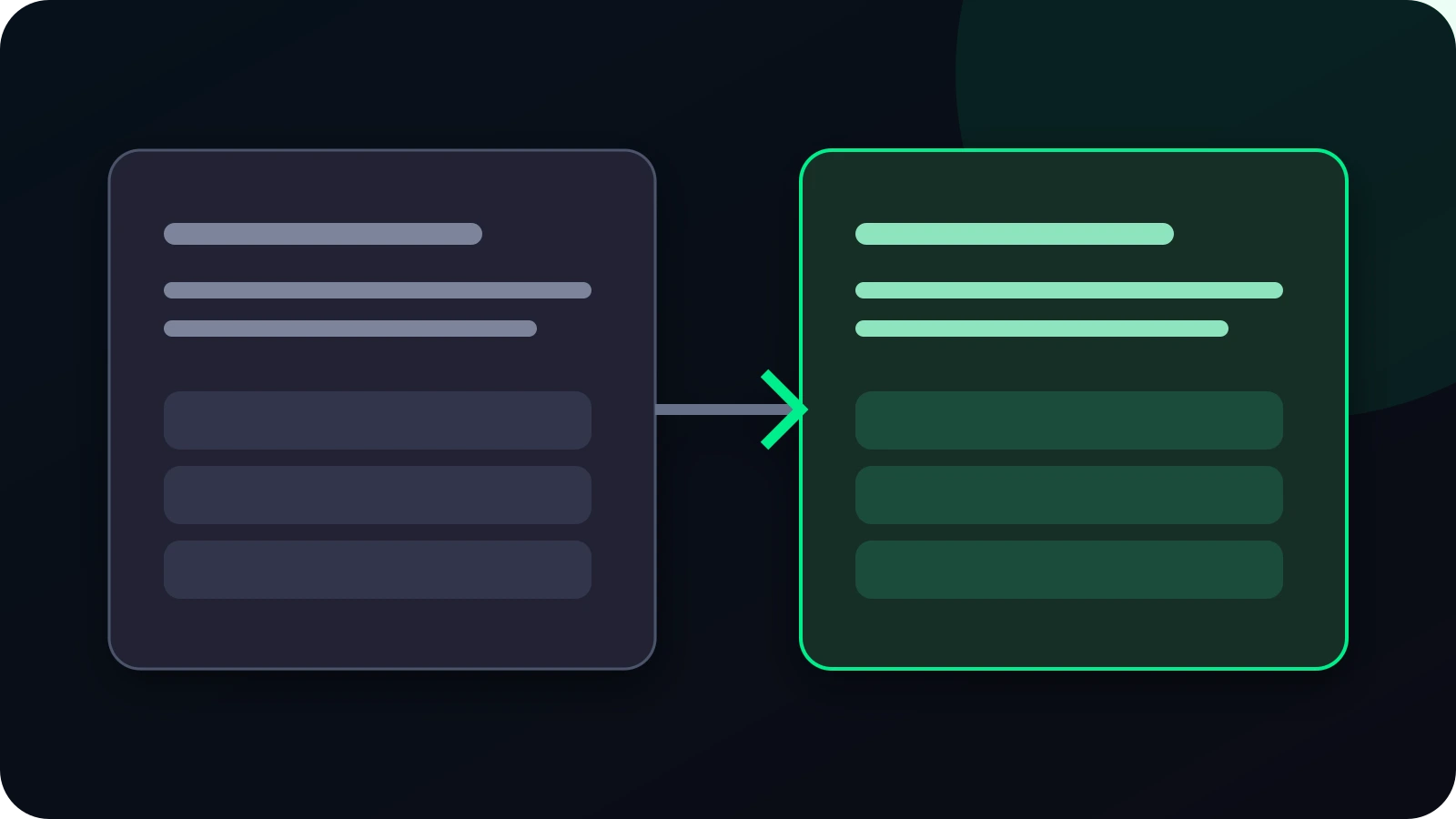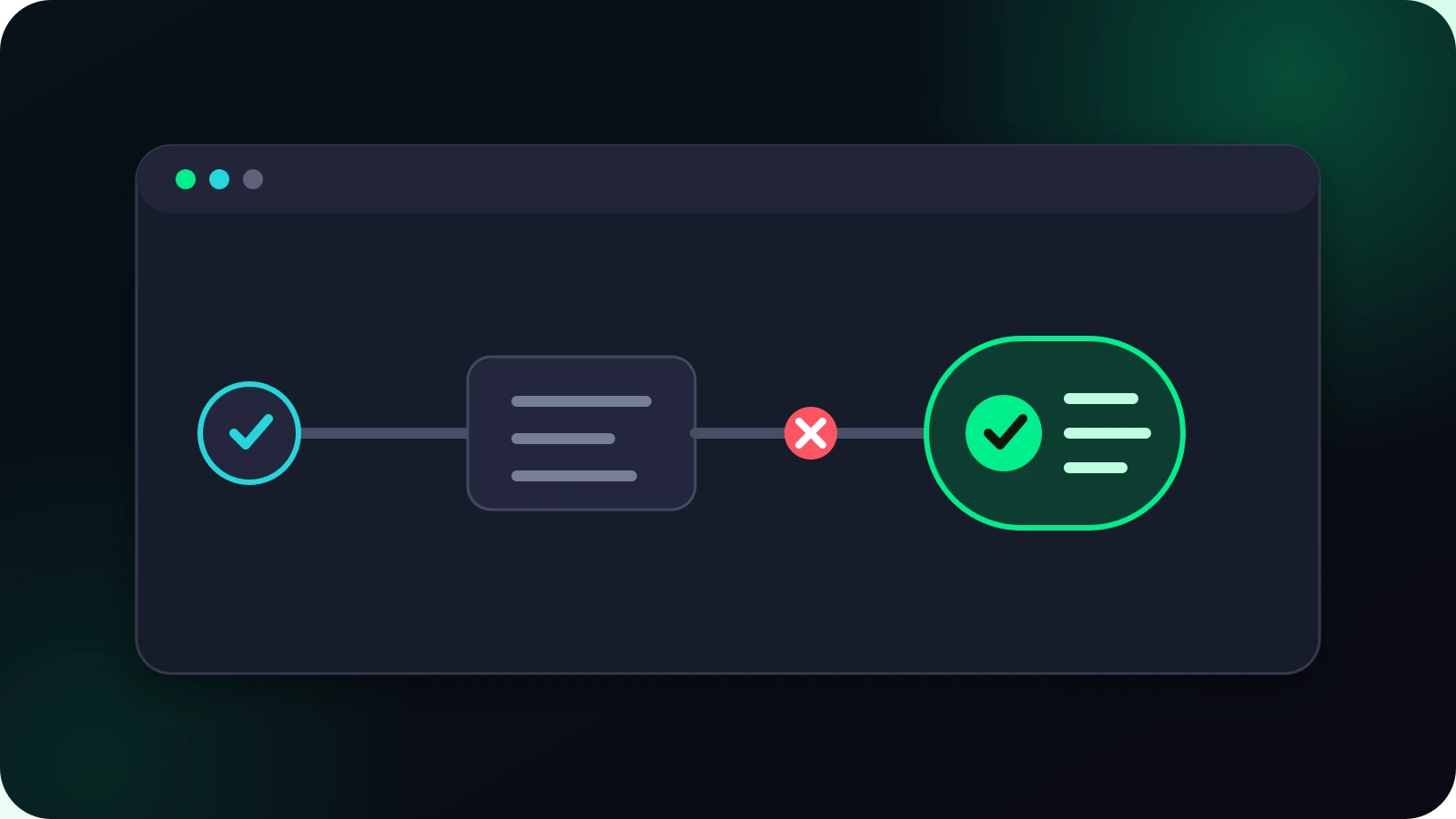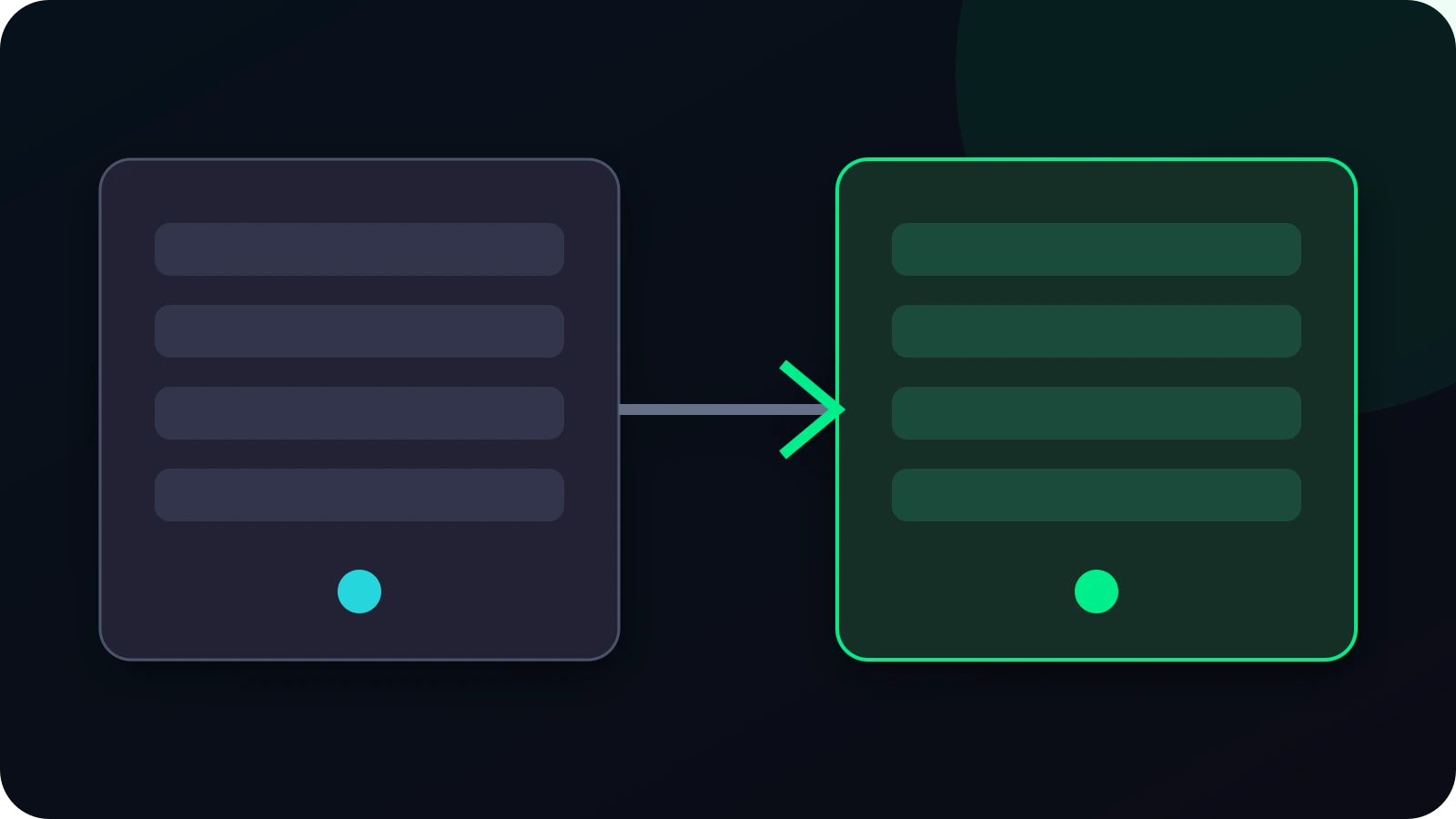
A website migration is not limited to changing the domain or hosting provider. Search engines also have to process new page addresses, a different site hierarchy, rewritten HTML, a new rendering method, and changes to internal links. Even when the copy and design remain familiar, Google may need time to crawl the pages again, process what has changed, and connect the new version to the site it already knows.
That is why some ranking movement can happen after a careful migration. It does not mean that a drop is inevitable, nor does it excuse every loss as “Google reassessing the site.” Serious declines usually have identifiable causes: pages went missing, redirects lead to the wrong place, crawl restrictions reached production, content was lost, or analytics stopped recording visits.
The purpose of an SEO migration is to retain what already works, define intentional changes before development, and find unexpected changes quickly after launch. SEO therefore belongs in planning, implementation, and post-launch checks rather than in a final review after the new site is already live.
What counts as a website migration?
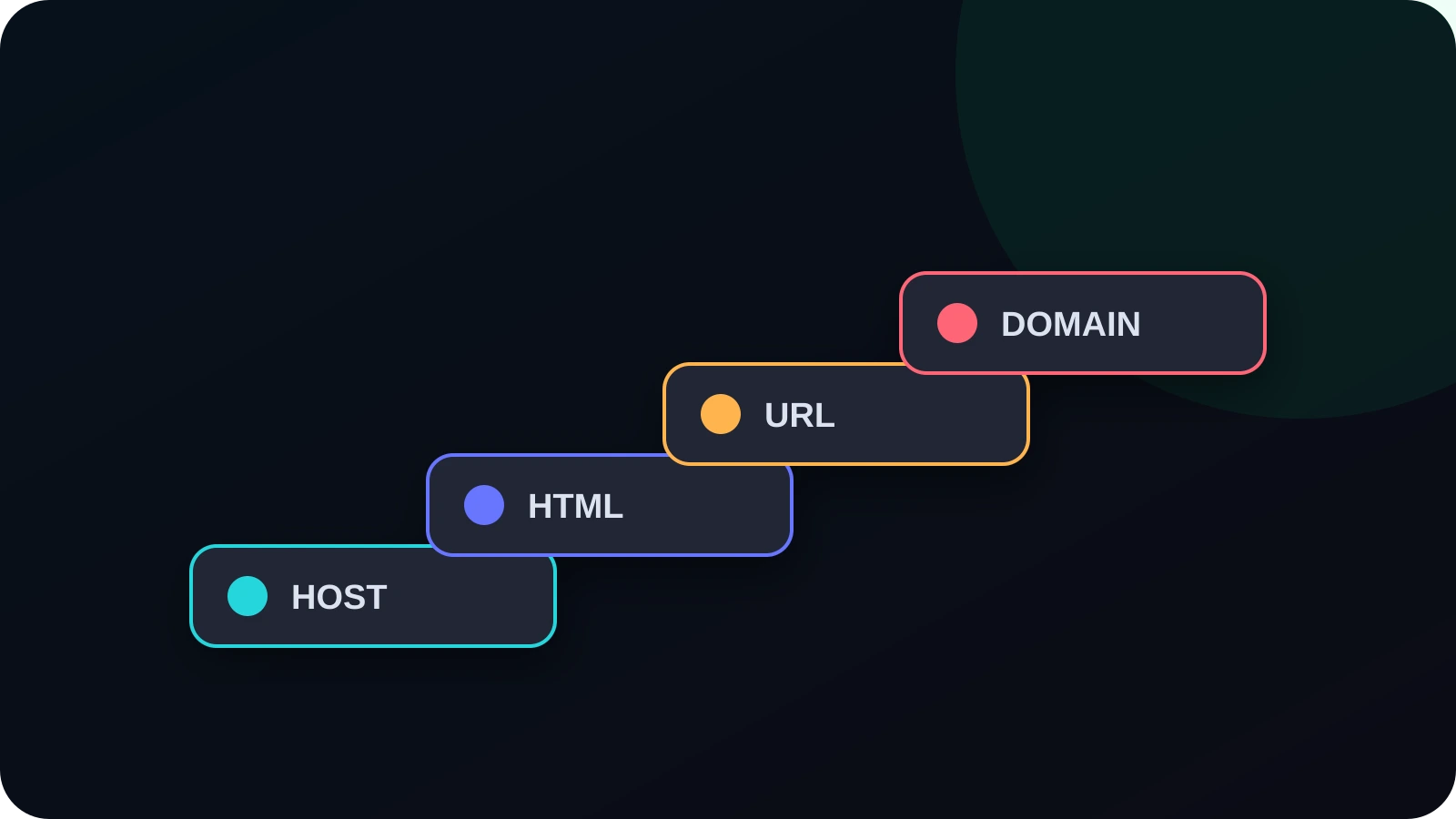
Search engines may treat any substantial change to a website’s technical or addressable foundation as a migration. The level of risk depends on what changes.
- Hosting or server migration. URLs and content stay in place, but infrastructure, response times, availability, and crawl conditions change.
- HTTPS or preferred-host changes. The site moves from HTTP to HTTPS, from
wwwto non-www, or in the opposite direction. - Domain or subdomain migration. Every page receives a new hostname, so accumulated signals must be associated with the new addresses.
- CMS or technology migration. A site moves from a builder, legacy CMS, or custom platform to WordPress, Next.js, or another system.
- URL restructuring. The domain stays the same, but page paths change and every old address needs a defined outcome.
- Redesign or rebuild. Templates, HTML, navigation, internal links, content placement, and sometimes the page inventory itself change.
- Site consolidation or separation. Several domains or sections become one project, or one website is split into separate properties.
A hosting change is usually less risky than changing the domain, CMS, structure, and content at once. It still needs testing. A new server can respond more slowly, fail for some users, or restrict a crawler even though the visible website appears unchanged.
Why can rankings move after an otherwise clean migration?
A search engine does not store a general impression of a company. It records information about specific URLs and documents: which address was available, what the page contained, how other pages linked to it, which URL was canonical, and which queries brought it impressions.
When URLs change, Google has to discover the new addresses, follow redirects, process the replacement pages, and connect them with the old versions. A rebuild without URL changes looks simpler, but it can still alter the document that Google receives.
“The code changed” needs a precise explanation. Google does not inspect a repository, React components, or the internal architecture of an application. It receives server responses, rendered HTML, linked resources, and the visible result. If the new implementation changes the HTML, content availability, headings, links, structured data, or loading behaviour, Google has to crawl and process that page again.
This is not a penalty for using new code. It is normal processing of an updated document. A replacement that preserves the original meaning and makes the content equally accessible is easier to associate with the old page. Even so, nobody can guarantee a motionless transition. warns that significant changes can cause temporary ranking fluctuations while pages are recrawled and reindexed.
What causes the largest traffic losses?
A small movement after launch is not enough to diagnose a failed migration. A decline becomes more concerning when it corresponds with a specific change on the new website.
Pages disappeared from the new build
Developers sometimes work from navigation or the current sitemap alone. Older landing pages, articles, product URLs, images, and pages outside the menu never enter the migration scope.
If those URLs had rankings, visits, conversions, or backlinks, the new site has lost established entry points rather than harmless technical clutter.
Old URLs lead to irrelevant destinations
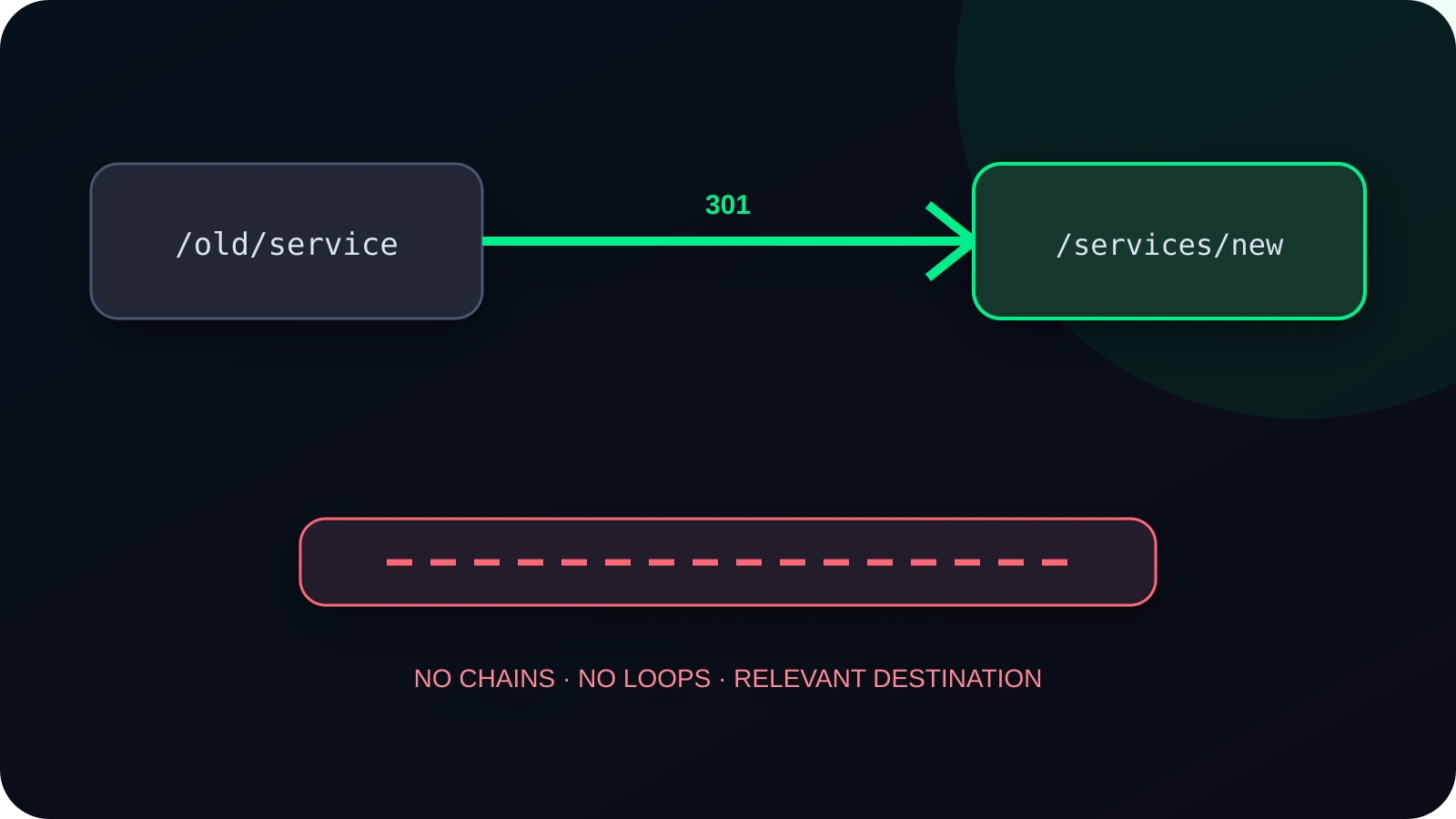
Redirecting every removed page to the homepage does not preserve its purpose. Someone who opens an old service URL expects the same service or the closest available replacement. Search engines also use destination relevance when interpreting a move.
Missing redirects, broad rules, chains, loops, and unrelated destinations interrupt both the user journey and the transfer of URL signals.
Staging restrictions reached production
Staging sites are normally kept out of search. Those controls must be removed from the public version at launch. A remaining noindex, a restrictive robots.txt, password protection, or blocked resources can make part or all of the site inaccessible to search engines.
The page structure changed
A redesign can preserve the words while changing the document around them. A heading becomes an ordinary text element. Important copy loads only after interaction. A crawlable link becomes a JavaScript control. Content that was present in the initial or rendered HTML becomes unavailable.
The page may look better in a browser while giving a search engine a weaker or substantially different document. Compare the rendered pages, not only the copy stored in the CMS.
Metadata and page relationships were lost
A new platform can generate titles, descriptions, canonicals, hreflang annotations, and structured data differently. One template error may affect hundreds of pages by assigning duplicate metadata, pointing canonicals at the wrong URL, or connecting the wrong language versions.
Internal links broke
Navigation, breadcrumbs, contextual links, and cards should point directly to final URLs. If they still use the old addresses, crawlers and visitors pass through unnecessary redirects. If the links disappear, important pages can become isolated even though their URLs still work.
Measurement stopped working
Sometimes the traffic remains while the record of it disappears. A template change can remove analytics tags, events, consent behaviour, form tracking, or ecommerce data. Without a measurement check, a reporting failure can look like an organic-search failure.
Do not preserve a weak site for its own sake
The advice to “change one thing at a time” is valuable when a website already has rankings, traffic, backlinks, and sales from search. Staging changes makes it easier to retain strong pages and identify what influenced the result.
A new, thin, or ineffective site presents a different decision. If it receives almost no organic traffic, its pages do not match search demand, and its structure blocks further growth, preserving every part of the old version may simply carry its problems into the rebuild.
In that situation, changing the technology, structure, and content together can be sensible. The project is no longer an exercise in making everything look the same. The team records whatever still has value, researches demand, plans the new architecture, prepares suitable pages, and maps the old URLs into that structure.
The deciding factor is not the size of the redesign. It is whether the existing site has a meaningful result that needs protection.
What to prepare before the migration
A reliable migration begins with a record of the current website. Without that record, it is difficult to know what went missing or whether post-launch movement is within the expected range.
Define the purpose and scope
Write down what will change:
- the domain, hosting, CMS, or design;
- URL patterns and section hierarchy;
- page content;
- catalogues, filters, accounts, and other functionality;
- language and regional versions;
- analytics, advertising, and external integrations.
This prevents a supposed visual redesign from quietly turning into a structural migration after development has started.
Choose an appropriate launch window
Plan the move for a predictable low-traffic period rather than immediately before a seasonal peak, campaign, or business launch. If something does go wrong, fewer customers are affected and the team has room to investigate.
Large sites may benefit from a phased rollout. Smaller and medium-sized sites should not automatically be split into many releases, because users and search systems also benefit from reaching one coherent final version quickly.
Assign ownership
Every critical task needs an owner: collecting URLs, approving removals, preparing redirects, testing analytics, checking the build, and making a rollback decision if a serious fault appears.
One person or studio may cover several roles. The important part is that no task disappears because each participant assumed somebody else owned it.
Back up the site and preserve the source data
Keep the files, database, images, page copy, metadata, configuration, and relevant exports from the old site. A backup is useful for more than a full rollback. It can restore a missing page, confirm an old title, or show how a form used to work.
A rollback is not always simple. Once a new domain starts receiving users or new transactions enter the database, returning to the old version may create a second set of problems. Treat the backup as insurance, not as a substitute for testing.
Which benchmarks should be recorded?
Record enough information to compare the new site with the old one. A single total-traffic number will not explain where a change occurred.
- organic visits by day and week;
- search traffic by landing page;
- queries, impressions, clicks, and average positions;
- pages already present in the index;
- primary conversions and form submissions;
- pages that contribute traffic, enquiries, or revenue;
- backlinks and their target pages;
- response codes, canonicals, metadata, and crawl findings;
- speed and stability across important templates.
Account for weekdays and seasonality. Comparing the Monday after launch with the previous Sunday, or with the strongest month of a seasonal peak, produces a misleading result.
How to build a complete URL inventory
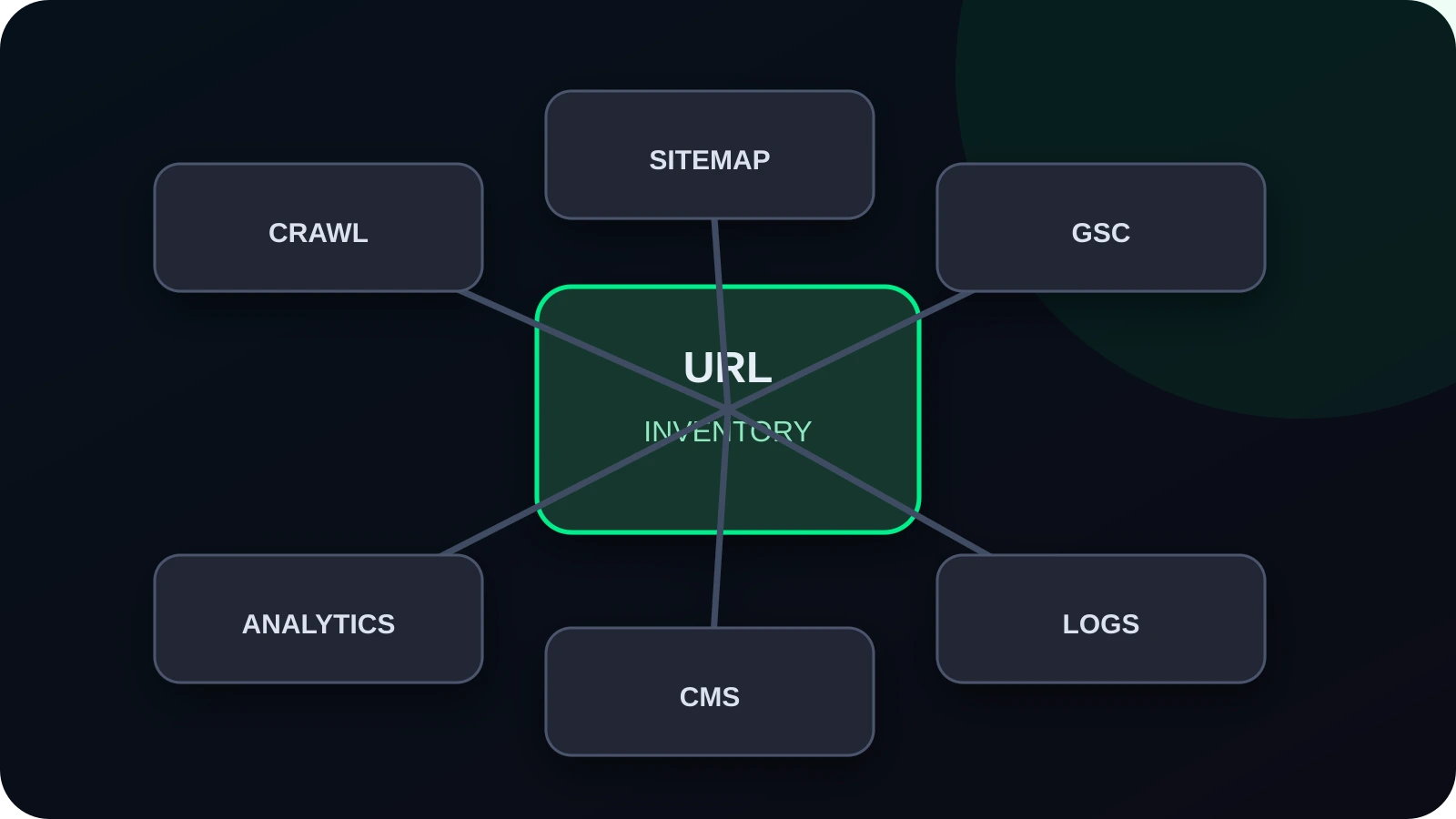
No single source guarantees a complete URL list. A sitemap normally contains pages the site owner wants search engines to discover, but it may omit legacy content, faceted URLs, files, images, and orphaned pages.
Combine several sources:
- a crawl of internal links;
- current and historical XML sitemaps;
- Google Search Console reports;
- landing pages from web analytics;
- server logs, when available;
- a CMS export of pages, posts, and products;
- URLs with external links;
- known destinations used in campaigns, emails, and documents.
A crawler can reveal the accessible structure quickly and produce a practical migration spreadsheet. We can scan a website and provide this list before migration. It should not be presented as every URL a search engine has ever known: an orphaned page may be absent from a normal crawl. Search Console, analytics, and platform data fill those gaps.
Merge the sources, remove duplicates, and give every URL an outcome: retain it, move it, consolidate it, or remove it.
Which pages deserve the closest protection?
Traffic alone does not determine priority. A page may receive few visits but contribute valuable enquiries, attract strong backlinks, or support an entire section through internal links.
Flag pages that:
- receive organic visits;
- generate enquiries, purchases, or other meaningful actions;
- have external links;
- rank for target queries;
- represent central services, categories, or locations;
- receive substantial internal linking;
- cover brands, contact details, specialists, or branches;
- include images or documents with their own search traffic.
Priority pages receive individual mapping and early post-launch checks. The long tail still needs a defined outcome, but a fault affecting a commercial landing page should be found before a minor archive URL.
What should move, merge, or disappear?
A migration does not require copying every old page. Outdated duplicates, empty filters, technical URLs, and pages with no independent purpose may be consolidated or removed.
Use the page’s function, traffic, rankings, backlinks, freshness, and available replacement to make that decision. Several weak pieces covering one topic can become a useful consolidated page, with their former URLs redirected to it.
If a page is removed without a replacement, return a real 404 or 410. An irrelevant redirect does not make the missing information available.
Operational data needs a separate decision. Order history, user accounts, internal notes, workflow states, and integration records can be much harder to move than public content and products. Include them when the business needs them, not automatically “just in case.”
How to map old URLs to new URLs
A redirect map assigns an outcome and, where applicable, a new destination to every old URL. It connects the old search footprint with the new structure.
A useful spreadsheet might contain:
| Old URL | Old status | Decision | New URL | Priority | Tested |
|---|---|---|---|---|---|
/old-service/ | 200 | Move | /services/new-service/ | High | Yes |
/old-article/ | 200 | Consolidate | /blog/main-guide/ | Medium | Yes |
/empty-page/ | 200 | Remove | — | Low | Yes |
The old URL should lead to the closest meaningful replacement. The wording does not have to remain identical, but a visitor should still receive an answer to the same underlying need.
Pattern rules work for predictable URL sets. For example, a product identifier can remain the same while only the category path changes. Test the rule against real addresses first; one broad expression can send an entire section to the wrong destination.
Use server-side 301 or 308 redirects for permanent moves. Replace chains such as “old page → intermediate URL → final URL” with a direct redirect whenever possible. This reduces latency and makes the move easier to interpret. and direct final destinations.
What to test on the staging site
Test the replacement before switching the domain or opening it to the public. Staging gives the team a chance to find template-level errors without affecting users or organic traffic.
Availability and response codes
Priority pages should load and return the expected status. Check images, stylesheets, scripts, documents, and API requests that the page depends on as well.
Page purpose and content
Do more than compare copy. Preserve the page’s purpose, primary heading, useful sections, key images, contact information, prices, and trust elements. If content changes, it should be an editorial decision rather than an accidental omission.
Rendered HTML
Confirm that the main copy, headings, and links are available to crawlers. This matters particularly when moving to a JavaScript framework or changing how a page fetches its data.
A page can look correct after the browser has run for several seconds while its initial or rendered output remains incomplete for search engines.
Metadata and indexing instructions
Check the title, description, main heading, canonical, robots directives, hreflang annotations, and structured data. Review several examples of every page type instead of testing only the homepage.
Internal links
Navigation, breadcrumbs, editorial links, and cards should point directly to final destinations. Remove old paths, redirect-dependent links, and dead ends.
Sitemap and robots.txt
The production sitemap should contain current canonical pages that return 200. It should not list redirected, blocked, or retired URLs.
The staging site, on the other hand, must remain out of search. Document how it is protected and exactly when those restrictions will be removed so they do not reach production.
Template performance
Test service pages, categories, product pages, articles, and heavy interactive templates rather than relying on the homepage. A new design should not make central content noticeably slower or unstable.
Forms and business functions
Manually test enquiries, calls, purchases, search, filters, accounts, language switching, and other important journeys. A crawlable site is still a failed migration if customers cannot complete the action it exists to support.
Launch-day website migration checklist
The exact sequence varies by project, but the following checks should be prepared before launch rather than improvised during it.
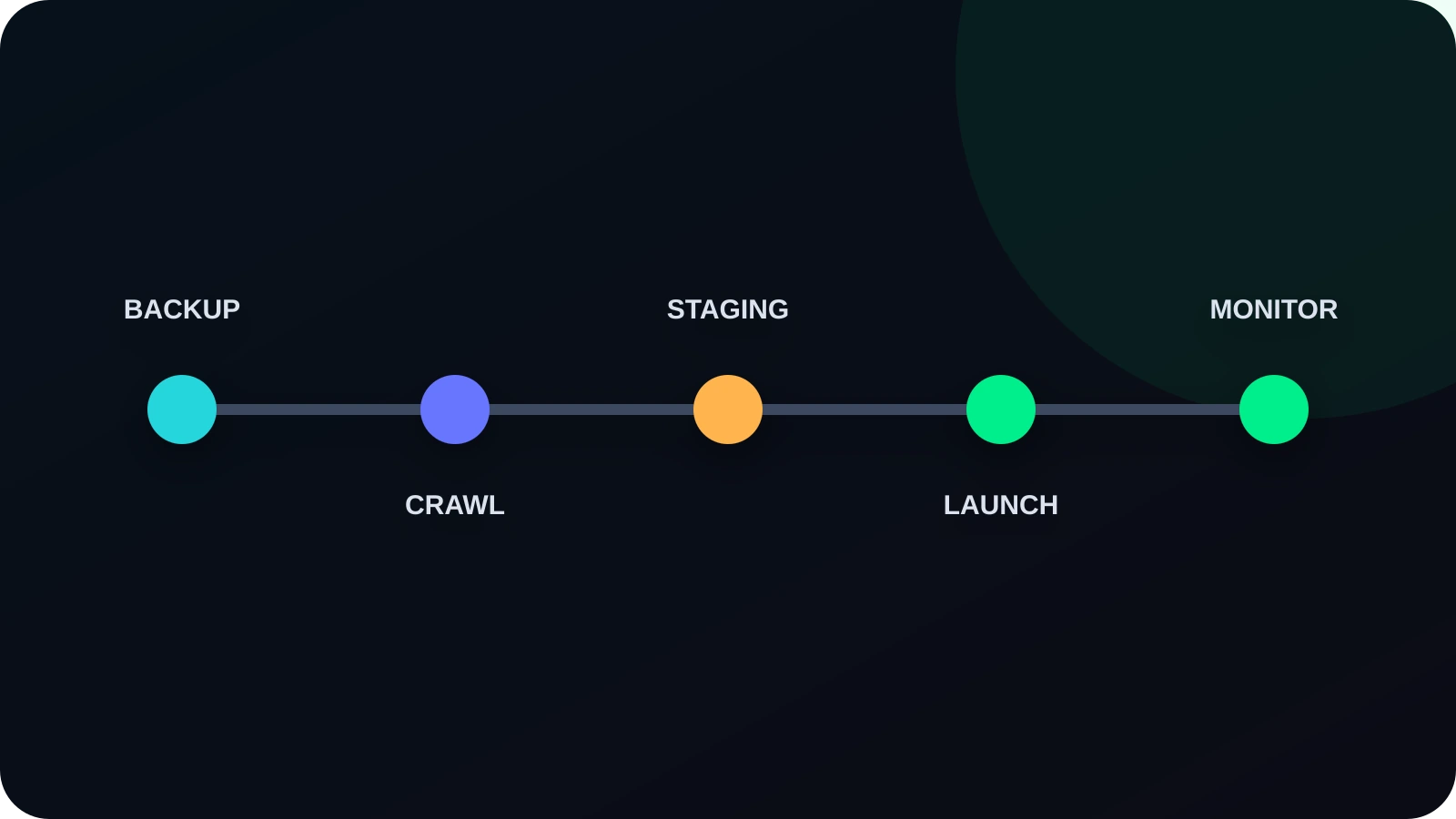
- Make a final backup and record the latest benchmarks from the old site.
- Publish the replacement or point the domain to the new infrastructure.
- Activate permanent redirects from the old URLs.
- Remove staging indexation controls from the public version.
- Check
robots.txt, robots directives, and canonicals. - Open the homepage and priority examples of every page type.
- Test old URLs and confirm that they reach the correct replacements.
- Run a priority-URL crawl, followed by a full technical crawl.
- Confirm that analytics, forms, goals, and main functions work.
- Generate the production XML sitemap and submit it in Google Search Console.
- Update campaign URLs, business profiles, email links, and important external services.
Use Search Console’s Change of Address tool only when moving to a different domain or subdomain. It is not required for path changes on the same site, an HTTP-to-HTTPS move, or a switch between www and non-www.
What to monitor after launch
Publishing the replacement is the middle of a migration, not the end. The first days reveal many problems because users and crawlers begin moving through the new structure at scale.
Check immediately:
- the homepage and priority pages return correctly;
- old and new URLs produce the intended response codes;
- production has no accidental
noindexor blocking rule; - canonicals and hreflang annotations point to the correct pages;
- new
404errors are investigated; - the sitemap reflects the live website;
- analytics is receiving visits;
- forms, orders, and other conversions work.
Then watch impressions, clicks, rankings, and the appearance of new URLs in search. Old addresses do not disappear from reports immediately. Google processes a move per URL, so the old and new versions may appear alongside each other for a period.
Monitoring frequency depends on the site. Important signals may be checked daily immediately after a valuable migration, with longer intervals once the new version settles. A seasonal ecommerce catalogue needs a longer watch than a small brochure site.
Is the drop temporary or is something broken?
Ranking movement can follow a substantial change while search systems recrawl and process the pages. A decline in the first few days does not prove that the migration failed.
Start by locating the change:
- does it affect the whole site or one section;
- does it affect every query or one topic;
- is the decline limited to organic search or visible in every channel;
- have pages disappeared from the index;
- did impressions fall;
- are old URLs still receiving visits;
- do redirects work and can a crawler reach the new site?
If analytics reports a drop while Search Console still records clicks, measurement is the likely problem. If one section disappears, inspect its template, internal links, canonicals, and redirects. A site-wide disappearance points more often to a crawl restriction, server error, or platform-wide configuration.
There is no universal recovery deadline. The number of URLs, server capacity, crawl frequency, and scale of change all matter. that processing a medium-sized site can take a few weeks and a larger site may take longer. Treat that as a monitoring context, not as a promise that a particular ranking will return on a given date.
What if the migration has already gone wrong?
Stop making unrelated changes, preserve the current state, and identify the scope of the loss. Review old URLs, archives, backups, Search Console, analytics, and any exports from the former platform.
When the old pages and their intended destinations can be reconstructed, the team can complete the redirect map, restore useful content, fix crawl access, and reconnect the site structure. Earlier diagnosis usually means more evidence remains available.
Recovery has limits. If the old site was deleted, no URL inventory exists, content has been lost, and search engines have already replaced the previous records with the new version, one setting cannot restore the former state.
At that point, audit the website that exists now. The next phase resembles ordinary SEO or a one-time optimisation project: repair technical problems, restore worthwhile pages, and develop the current structure. It is no longer the final step of the old migration.
Can you migrate a website yourself?
Moving a small site between hosts while keeping every URL unchanged may not require a large project. An owner or developer who understands the infrastructure, can verify server responses, and has a usable rollback path may handle it independently.
Professional involvement becomes more useful when:
- the domain or most URLs will change;
- the website already receives meaningful organic traffic;
- the site has a catalogue, filters, locations, or several languages;
- pages must be consolidated or retired;
- the CMS, templates, and rendering method will change;
- payments, user accounts, or external integrations are involved;
- nobody has a complete record of the current URLs.
Development and SEO should use the same migration plan. A developer can implement the new system, but page value, content equivalence, and search priorities cannot be decided from code alone. An SEO specialist cannot replace development work on infrastructure, application data, and business functions either.
A condensed SEO migration checklist
Before development
- define the purpose and complete scope;
- record traffic, rankings, and conversions;
- collect URLs from several sources;
- identify priority pages;
- decide what stays, merges, moves, or disappears;
- prepare backups;
- assign owners and a rollback procedure.
On staging
- map old URLs to new destinations;
- implement and test redirects;
- compare page purpose and content;
- inspect rendered HTML and content availability;
- check titles, descriptions, canonicals, hreflang, and structured data;
- update internal links;
- verify the intended sitemap and robots rules;
- test performance, forms, and core functions;
- keep staging out of search.
On launch day
- preserve a final copy of the old site;
- enable permanent redirects;
- remove staging restrictions from production;
- test priority old and new URLs;
- run a technical crawl;
- verify analytics and conversions;
- submit the new sitemap;
- use Change of Address for a domain move;
- update campaigns and important external links.
After launch
- investigate crawl errors and
404responses; - watch the indexation of new URLs;
- compare traffic and rankings with the baseline;
- review priority pages separately;
- fix the cause of an anomaly before introducing more changes;
- keep the old infrastructure and redirects available long enough.
Will rankings always fall after a website migration?
No. Temporary movement is possible after substantial changes because search engines have to recrawl and process the pages. A severe or lasting decline should be investigated rather than accepted as normal.
Can a complete rebuild preserve SEO?
A rebuild can preserve much of the established foundation: URLs or their mappings, page meaning, internal connections, metadata, and crawl access. The new HTML and structure will still be processed again. A careful migration reduces risk but cannot guarantee fixed rankings.
Does every old URL need to remain a page?
No, but every old URL needs a decision. A useful page remains or receives a close replacement. Consolidated content points to the new combined resource. A page removed without a replacement returns the correct error response.
Can all old pages redirect to the homepage?
No. The homepage rarely answers the same need as an old service, article, or product URL. Broad irrelevant redirects confuse users and may be treated as soft 404 responses.
How long should redirects remain active?
retaining redirects for as long as possible and generally for at least a year. Keeping them indefinitely is often useful for visitors when external links still use the old addresses.
How should a staging website be blocked from search?
The staging environment should be protected, but robots.txt alone is not always enough. Password protection or a coordinated set of indexation controls is safer. Whatever method is used, confirm that it does not remain on production after launch.
Can requesting another crawl restore rankings faster?
You can for a few important URLs and submit a sitemap for larger sets. This helps Google discover changes. It does not guarantee immediate indexation or ranking recovery.
What if the failed migration happened months ago?
Compare whatever historical evidence remains with the current site and determine which pages and signals can still be recovered. If the old version is gone, treat the work as an audit and improvement plan for the current website rather than an unfinished migration.
Preserve the result, not only the files
A site can be transferred successfully in a narrow technical sense: the new version opens on the correct domain and looks complete. Organic-search continuity requires more. Page meaning, URL relationships, crawler access, internal structure, and measurement all need to survive the move.
If you plan to change the CMS, domain, structure, or complete implementation, we can inventory the existing pages, identify search priorities, prepare the migration map, and review the replacement after launch. Read more about our website migration service.
If the migration has already happened, a technical website audit or one-time SEO project can establish what went wrong and which losses can still be repaired.